
 Be careful who you kiss, especially if you have sensitivities to food, chemicals or other substances you do not want to have in your body.
Richard Gasquet was cleared of doping today, on the grounds that cocaine had been passed into his system from a nightclub kiss.
What else could we get from an innocent kiss?
Remember the tragic story of a peanut allergic teenager from Quebec? Christina Desforges went into anaphylactic shock and died after being kissed by her boyfriend who had just eaten a peanut butter sandwich. An almost immediately administered adrenaline shot didn’t help.
Though not widely recognized, food hypersensitivity by inhalation can cause a lot of problems. 8 top allergens (TEMPS WFS: Tree nuts, Eggs, Milk, Peanuts, Shellfish (crab, lobster, shrimp), Fish (bass, cod, flounder), Wheat, Soy) cause 90% of food allergies. Food related allergies have been on the rise in recent years. Whether this is due to the use of baby creams and lotions (e.g., with a peanut oil content) in early childhood, 20th century hygiene, synthetic & fortified foods or other issues of Western civilization, we need to be careful and think about all possible ways of being exposed.
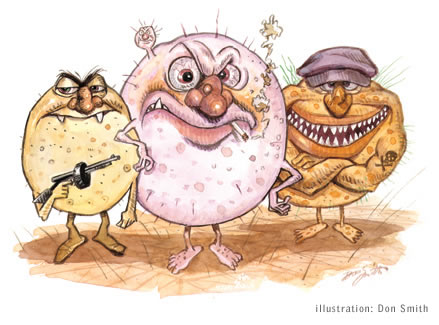
Epstein-Barr virus (EBV) (causing mononucleosis - infamously known as the kissing disease), Herpes Simplex Virus-1 (causing cold sores) bacterium Streptococcus (causing various infections such as gum disease and strep throat), H.pylori, Candida or other yeast species, Hepatitis B Virus and cytomegalovirus (CMV) are spread via oral transmission from microbe-containing saliva. Many sexually-transmitted diseases follow this route too.
Even cigarettes - besides their harmful toxic chemicals - host a bacterial bonanza —hundreds of different germs, including those responsible for many human illnesses, according to a new study. For example, Campylobacter, which can cause food poisoning and Guillain-Barre Syndrome; Clostridium, which causes food poisoning and pneumonias; Corynebacterium, also associated with pneumonias and other diseases; E. coli; Klebsiella, Pseudomonas aeruginosa and Stenotrophomonas maltophilia, all of which are associated not only with pneumonia but also with urinary tract infections; and a number of Staphylococcus species that underlie the most common and serious hospital-associated infections.
One of the best natural defenses in our saliva is the “good” bacteria and supporting it molecular environment that protects us from settlements of pathogenic microbes and prevents their growth. Some people are more susceptible than others, but everybody should be careful... about whom they kiss.
![Reblog this post [with Zemanta]](https://lh3.googleusercontent.com/blogger_img_proxy/AEn0k_shQroGgKfoMfA8NXzIoTzNWIQ6jxois2x_evY02UuXtPW1JjJwlhYm6XB4N5Vp672K1-bR2MRzB_Eqea63yS6828vE89lNo44oo8uv8c8Aqj90yHbWFNhJQPgctHuRCOP0FJO-a54lFLOEEWGz_S2I=s0-d)


![Reblog this post [with Zemanta]](https://lh3.googleusercontent.com/blogger_img_proxy/AEn0k_s-jWPv3KnbhvEdaJePcQN9E0f8VtBrfJ-2fkjSrNKyntM4ViAayJID4CxdK91BwGuzMfJjv22amKxzHq4Uskh-G2SjfJPbtFEsv99MLul4sxxY14f5CrS-BglT2HJ1FvNnbSsbsJvJY9oH1Ie523oY=s0-d)
![Reblog this post [with Zemanta]](https://lh3.googleusercontent.com/blogger_img_proxy/AEn0k_uft-GXX4BwPnqFcpj1yQqC1j_IwpERjx3lQm7AZJZYPfdUD-wwdjlROfJaQAwxAMOgw8f_sbMPo13FHscrk7Qg9sWi3XPIfMdBVVc4Hxkl9eLLVaahZafKZqg8xY-HedFb648BgoVutaKXOlgX78hP=s0-d)
